4903 S Beck Rd, Suite 1, Canton, MI 48188

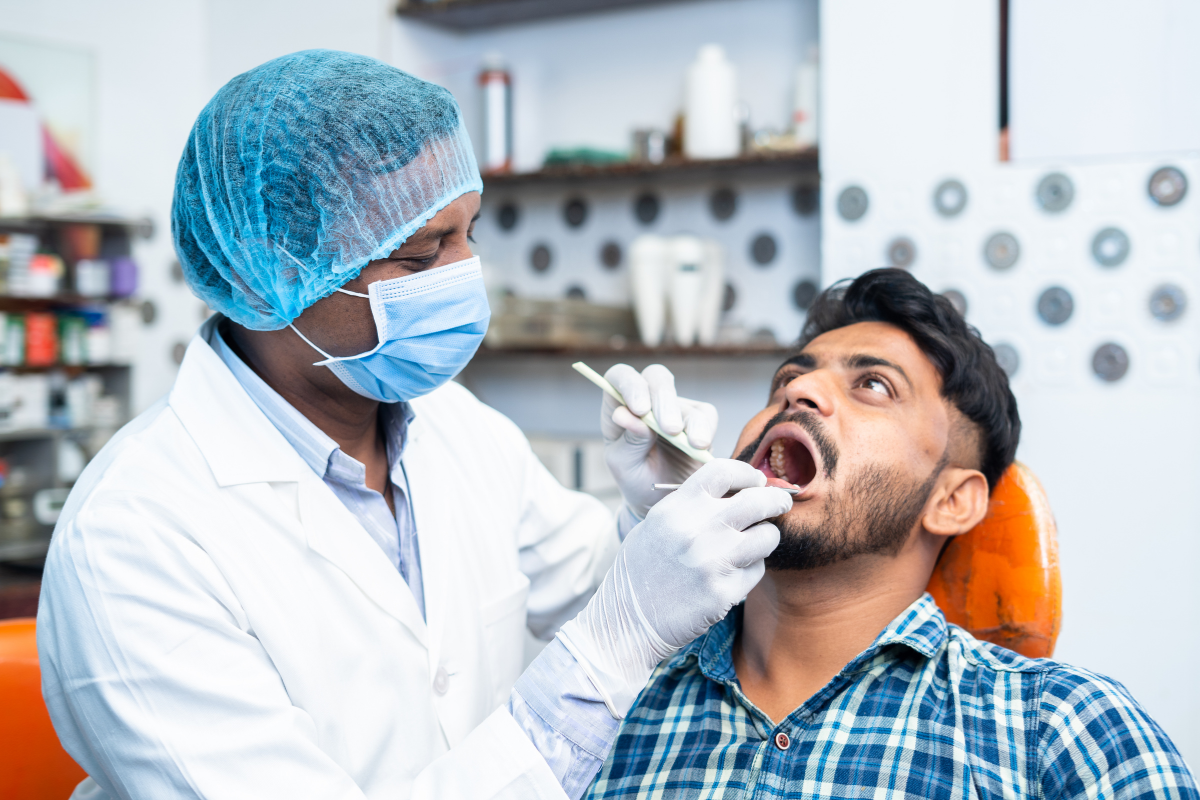
We all grow up hearing advice about teeth. Some of it helps. Some of it does more harm than good. A trusted dentist often spends time correcting these common myths.
If you have ever searched for a reliable Canton dentist, you may have noticed how often the same questions come up. Let’s clear up the confusion so you can take better care of your smile.
Myth 1: If My Teeth Don’t Hurt, They Are Healthy
This is one of the biggest myths.
Many dental problems start without pain. Cavities, gum disease, and even infections can grow quietly. By the time you feel pain, the problem may be more serious.
A regular visit to a dentist helps catch issues early. Many people who look for a “canton dentist” do so when pain starts, but early visits are what really save time and money.
Myth 2: Brushing Hard Cleans Better
It may feel like brushing harder cleans more, but it can damage your teeth.
Hard brushing can:
- Wear down enamel
- Irritate gums
- Cause sensitivity
A gentle brush with the right technique works best. A skilled dentist will always suggest using a soft brush and light pressure.
Myth 3: Flossing Is Not That Important
Skipping floss is a common habit.
Brushing only cleans the front and back of your teeth. Floss reaches the tight spaces in between. Without it, plaque builds up where your brush cannot go.
Many patients visiting a dentist are surprised to learn how much flossing helps prevent gum disease.
Myth 4: Sugar Is the Only Cause of Cavities
Sugar plays a role, but it is not the only cause.
Cavities form when bacteria in your mouth feed on food and produce acid. This acid damages your teeth over time.
Sticky foods, frequent snacking, and poor cleaning habits all increase the risk. A dentist looks at your full routine, not just your sugar intake.
Myth 5: Whitening Damages Your Teeth
Many people avoid whitening because they think it harms enamel.
When done the right way, whitening is safe. Problems can happen when people use unapproved products or overdo it.
A trusted Canton dentist can guide you on safe options that fit your needs.
Myth 6: Baby Teeth Do Not Matter
Some believe baby teeth are not important since they fall out.
This is not true.
Baby teeth:
- Help kids chew and speak
- Guide the adult teeth into place
- Affects overall oral health
Ignoring early care can lead to problems later. The dentist keeps track of growth and helps prevent issues early.
Myth 7: You Only Need a Visit Once a Year
Waiting a full year between visits may be too long for many people.
Most people benefit from checkups every six months. Some may need more frequent visits based on their health.
How Local Habits Can Shape Your Oral Health
Daily life plays a big role in dental health.
In a busy local setting:
- Quick snacks and coffee are common
- Sugary drinks are easy to grab
- Stress can lead to teeth grinding
These habits can slowly affect your teeth.
Simple Truths to Remember
Let’s keep it simple:
- Gentle brushing works best
- Flossing matters every day
- Regular visits prevent big problems
- Early care saves time and money
A good dentist focuses on prevention, not just treatment.
Conclusion
Dental myths can lead to poor habits and bigger problems over time. The right information helps you make better choices for your health.
If you have questions or have been unsure about your routine, now is the time to act. You can schedule a consultation with Canton Healthy Smiles to get clear answers and simple guidance. You can also contact our Canton Healthy Smiles office to plan your next visit and stay on track with your care.
Frequently Asked Questions
Patients ask these often. Answers come from daily cases.
How can I tell if I am brushing the right way?
You should use a soft-bristled toothbrush and brush in small, gentle circles. Hold the brush at a slight angle toward your gums. Your gums should not bleed or feel sore after brushing. If they do, you may be brushing too hard or using the wrong technique.
Is mouthwash a replacement for brushing and flossing?
No, mouthwash is only a supporting step. It helps reduce bacteria and freshen breath, but it cannot remove plaque stuck on teeth. Brushing and flossing are still the main steps for keeping your teeth clean and healthy.
What type of toothbrush and toothpaste should I use?
A soft-bristled toothbrush is best for daily use. Choose a toothpaste that has fluoride, as it helps protect your enamel and prevent cavities. If you have sensitivity or gum issues, your dental provider may suggest a specific type.
How long and how often should I brush my teeth?
Brush your teeth twice a day for at least two minutes each time. Try to clean all areas, including the front, back, and chewing surfaces. Setting a timer or using an electric toothbrush with a built-in timer can help you stay consistent.
Are electric toothbrushes more effective than manual ones?
Both can work well if used properly. Electric toothbrushes can make brushing easier, especially for people who rush or have trouble with hand movement. They often provide more even cleaning with less effort.
What daily habits can improve my oral health the most?
Simple habits make a big difference. Brush twice daily, floss once a day, drink plenty of water, and limit sugary snacks and drinks. Regular dental visits also help catch problems early and keep your routine on track.