4903 S Beck Rd, Suite 1, Canton, MI 48188

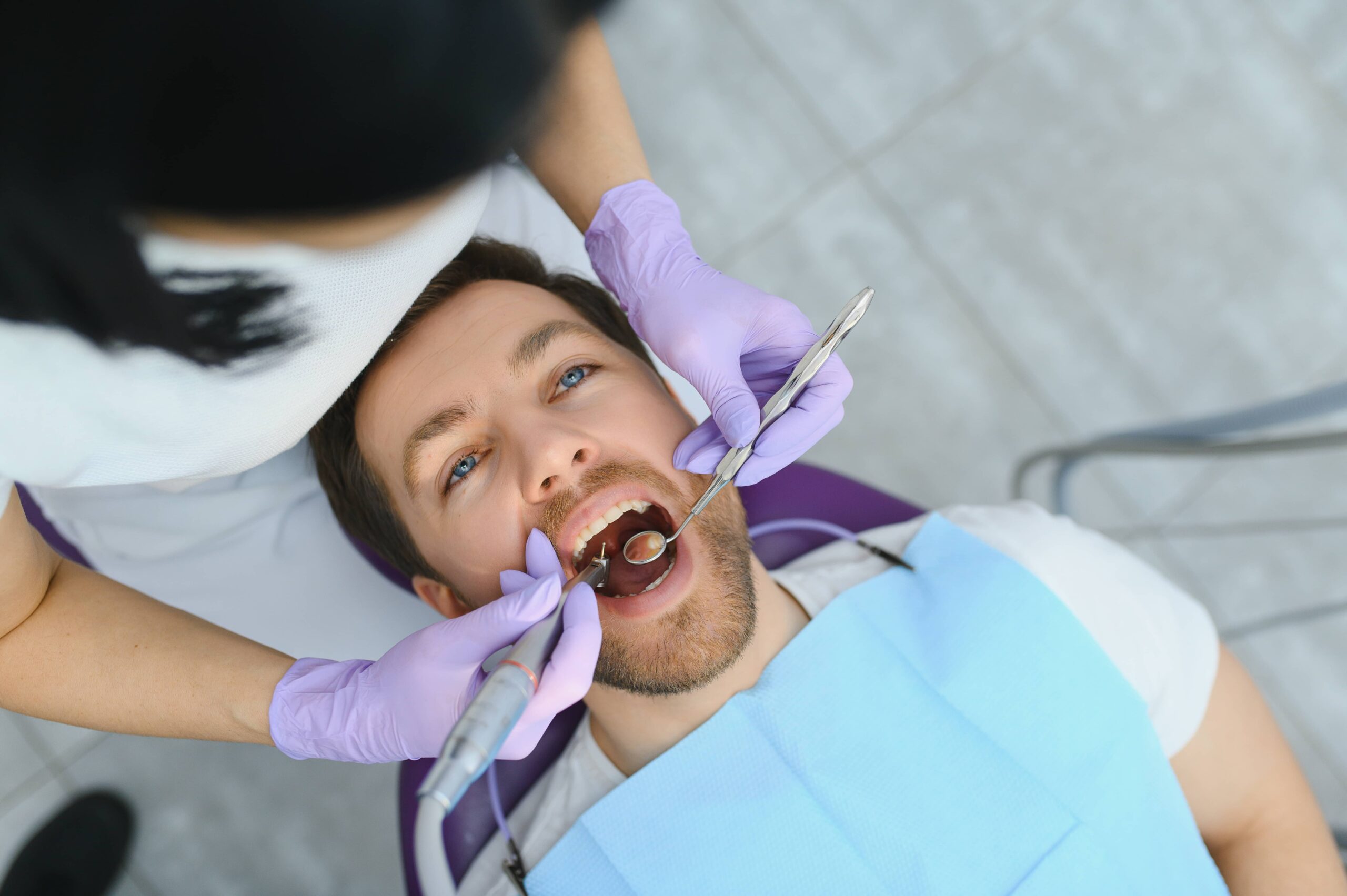
You sit up in the dental chair, rinse, and notice a little pink in the sink, or maybe you got home and your gums felt tender and looked swollen. If your gums bleed after a professional cleaning, you’re not alone, and you’re right to wonder what’s going on. Bleeding gums after cleaning is one of the most common concerns patients raise at our office. It’s not always a sign of something serious, but it is your mouth telling you something worth paying attention to.
Here’s a straightforward look at what causes it, what it might mean, and what you can do about it.
The Most Common Reason: Inflammation From Plaque Buildup
The number one cause of bleeding gums after a dental cleaning is gingivitis — the earliest, reversible stage of gum disease. When plaque (that sticky film of bacteria) builds up along the gumline and isn’t fully removed through daily brushing and flossing, the gum tissue becomes inflamed and irritated. Inflamed gums are more fragile and much more prone to bleeding, even from light contact.
During a professional cleaning, the hygienist scales away that plaque and tartar from around and slightly below the gumline. When those areas are inflamed, the cleaning process can cause brief bleeding. It’s not a sign that something went wrong — it’s actually a sign that your gums needed that attention.
Other contributing factors include:
- Infrequent flossing — gum tissue that isn’t regularly stimulated through flossing is more reactive
- Time since your last cleaning — the longer the gap between visits, the more buildup accumulates
- Smoking or tobacco use — masks gum disease symptoms and worsens tissue health
- Hormonal changes — pregnancy, puberty, and menopause can all increase gum sensitivity
- Certain medications — blood thinners and some blood pressure medications can increase bleeding tendency
Is It Normal for Gums to Bleed After Every Cleaning?
Occasional bleeding after a cleaning — especially if it’s been a while since your last visit — is fairly common. However, bleeding should not be a regular occurrence at every six-month appointment if you’ve been keeping up with your home care and professional cleanings.
If your gums consistently bleed during or after cleanings, it usually points to one of two things:
- Gingivitis that hasn’t fully resolved between visits
- Periodontitis — a more advanced form of gum disease where infection has moved below the gumline and started affecting the bone and connective tissue that support your teeth
Periodontitis doesn’t always hurt, which is why so many patients are surprised when their dentist brings it up. The disease can progress quietly for years before obvious symptoms appear. That’s exactly why preventive care at Canton Healthy Smiles includes a thorough gum evaluation at every visit — to catch and address problems early, before they require more complex treatment.
What Happens During a Deep Cleaning vs. a Routine Cleaning?
There’s an important distinction here that helps explain why some cleanings cause more discomfort than others.
Routine prophylaxis (standard cleaning): Removes plaque and tartar from the surfaces of teeth and just below the gumline. Ideal for patients with healthy gums or mild gingivitis.
Scaling and root planing (deep cleaning): Recommended when gum disease has progressed. This treatment reaches deeper below the gumline to remove bacterial deposits from root surfaces and smooth the root to discourage bacteria from reattaching. Some bleeding and sensitivity after this procedure is expected and normal as the tissue heals.
If your dentist or hygienist recommends a deep cleaning, it’s because the standard cleaning isn’t sufficient to address what’s happening below the surface. At Canton Healthy Smiles, we explain every recommendation clearly so you understand exactly what’s happening with your gum health and why.
How to Reduce Gum Bleeding Between Visits
The good news: gingivitis is reversible. With consistent home care and regular professional cleanings, most patients see a significant improvement in gum health — and noticeably less bleeding — within a few weeks.
Here’s what makes the biggest difference:
- Brush twice a day with a soft-bristled toothbrush, using gentle circular motions at the gumline
- Floss once daily — yes, every day; this is the single most effective habit for reducing gum inflammation
- Use an antimicrobial mouthwash if recommended by your dentist to reduce bacterial load
- Stay hydrated and limit sugary, acidic foods that fuel bacterial growth
- Keep your scheduled cleaning appointments — every six months for most patients
If you’ve been avoiding flossing because it makes your gums bleed, this is the cycle to break. Consistent flossing reduces inflammation over time, and within a week or two, the bleeding typically decreases significantly as your gums become healthier.
When Bleeding Gums Require a Dentist Visit Sooner
Some situations call for a prompt evaluation rather than waiting for your next scheduled appointment. Contact a dentist if you notice:
- Gums that bleed spontaneously or with very light brushing
- Gums that look swollen, dark red, or are pulling away from your teeth
- Persistent bad breath that doesn’t resolve with brushing
- Teeth that feel loose or have shifted
- Pain or pressure along the gumline
These symptoms can indicate that gum disease has advanced beyond gingivitis and may require periodontal therapy to stop further tissue and bone loss.
What to Expect After Treatment
After a thorough cleaning — especially if it addressed early gum disease — some tenderness and mild sensitivity for 24–48 hours is completely normal. Rinsing with warm salt water can help soothe the tissue. Most patients find that their gums feel noticeably better within a few days, and with consistent home care, bleeding decreases significantly before the next visit.
Realistic expectation: a single cleaning won’t resolve advanced gum disease overnight. But it’s the essential first step, and your tissue will respond positively when you support it with good daily habits.
Gum Health Is Part of Your Overall Health
There’s a reason dentists take gum health seriously: research has established clear links between periodontal disease and systemic conditions including cardiovascular disease, diabetes, and complications during pregnancy. Healthy gums aren’t just about your smile — they’re a meaningful part of your overall well-being.
If your gums have been bleeding and you’re not sure why, getting a professional evaluation is the right move. Schedule a visit with Dr. Birchmeier at Canton Healthy Smiles to get a clear picture of your gum health and a straightforward plan to improve it.
Conclusion
Bleeding gums after a cleaning are usually a signal — not a crisis. In most cases, it points to inflammation from plaque buildup or early gum disease that can be addressed with better home care and consistent professional cleanings. But it’s worth taking seriously, because gum disease is progressive and much easier to treat in its early stages.
If you’re searching for a dentist near in Canton, MI who will give you honest, thorough gum evaluations (not just a quick polish and send-off), Canton Healthy Smiles is accepting new patients. Dr. Birchmeier and the team take the time to explain what’s going on with your gum health and help you build habits that make a real difference between visits.