4903 S Beck Rd, Suite 1, Canton, MI 48188

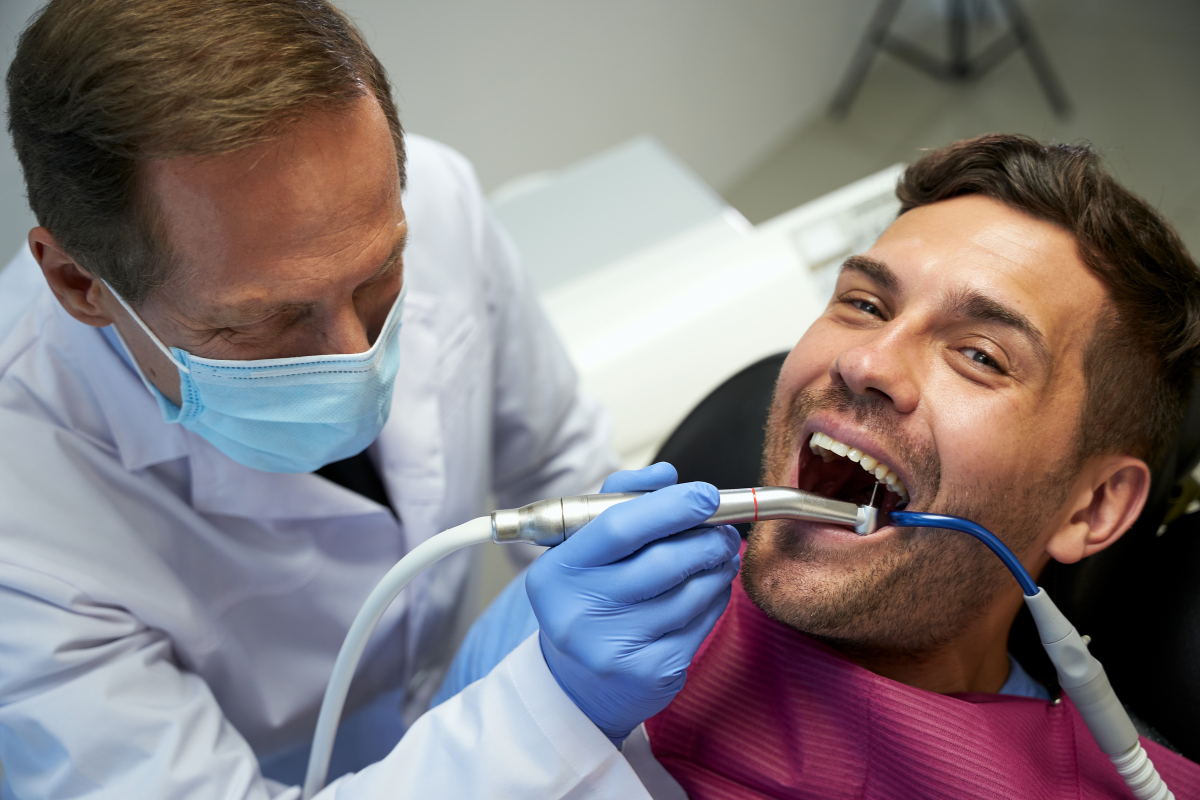
Most people think brushing and flossing are enough to get by. But as a dentist, I can tell you that daily habits shape your oral health for years to come. When care slips, the effects build slowly. You may not notice them right away, but over time they can change your smile, comfort, and health.
Understanding these long-term effects helps you take simple steps today that protect your future.
Meet the Doctor Behind Your Care

At Canton Healthy Smiles, care is guided by experience and a strong focus on patient well-being. Dr. Jonathan M. Birchmeier brings over a decade of hands-on dental experience, backed by advanced training and a deep connection to the community.
He earned both his biology degree and dental degree from the University of Michigan and completed his residency at the University of Toledo Medical Center. His continued education includes training with Implant Pathway Seminars, the American Academy of Facial Esthetics, CEREC Docs, and Spear Education.
Beyond the clinic, he supports local veterans through the Veterans Affairs Healthcare System and stays active in community life. This blend of skill and care shapes how a dentist approaches long-term oral health, focusing not just on treatment but on prevention and trust.
Why Poor Oral Care Builds Up Over Time
Your mouth holds bacteria all day. Without proper cleaning, plaque forms on teeth and along the gums. Over time, this leads to damage that may not be easy to reverse.
A dentist often sees patients who feel fine until a small issue turns into something more serious. Early care keeps problems simple.
Long-Term Effects You Should Know
Tooth Decay That Goes Deeper
Skipping proper brushing allows plaque to break down tooth enamel. Small cavities can grow larger and reach the inner part of the tooth. This can lead to pain and infection.
A dentist can treat early decay easily, but waiting may require more involved care.
Gum Disease and Tissue Loss
Gums protect and support your teeth. Poor care can cause swelling, bleeding, and infection. Over time, gums pull away from teeth, and the bone support may weaken.
This is a common issue many people face, and a dentist often treats it in later stages when it could have been prevented.
Tooth Loss Over Time
Untreated decay and gum disease can lead to tooth loss. Missing teeth affect how you eat and speak. They can also change how your smile looks and feels.
Keeping natural teeth healthy is always the goal of a dentist.
Ongoing Bad Breath
Bad breath that does not go away is often linked to bacteria buildup. It may be a sign of deeper oral issues that need attention.
Jaw Strain and Bite Problems
When teeth shift or wear unevenly, your bite can change. This can cause jaw pain or tension, especially over time.
Effects Beyond the Mouth
Oral health is connected to your overall health. Gum issues have been linked to conditions like heart concerns and blood sugar problems. A healthy mouth supports a healthy body.
Signs You Should Not Ignore
Small changes can point to bigger issues:
- Gums that bleed when brushing
- Sensitivity to heat or cold
- Pain when chewing
- Loose teeth
- Dry mouth or bad taste
Seeing a dentist early can help you avoid long-term damage.
Simple Habits That Protect Your Teeth
Good habits do not need to be hard:
- Brush twice daily
- Floss once a day
- Drink water often
- Limit sugary snacks
- Replace your toothbrush every few months
These steps reduce plaque and protect your teeth over time.
Making Oral Care Fit Into Your Daily Life
Many families in Canton balance work, school, and activities. It’s easy to rush through brushing or delay visits. Small changes, like setting a daily reminder or keeping dental tools within reach, can help build a strong routine.
A trusted dentist can guide you with simple advice that fits your schedule and lifestyle.
Conclusion: Protect Your Smile for the Long Run
Poor oral care does not cause instant damage. It builds over months and years. The good news is that steady habits and regular checkups can prevent most problems.
If you have noticed any changes or want to stay ahead of future issues, you can schedule a consultation with Canton Healthy Smiles for personalized care. If you have questions or need guidance, contact our dental office to take the next step toward better oral health with a caring dentist.
Frequently Asked Questions
What happens if I skip brushing for a few days?
Plaque builds up quickly. This can lead to bad breath and increase the risk of cavities and gum problems.
Can gum disease go away on its own?
No, it usually needs professional care. Early stages can be managed, but advanced stages require more treatment.
Why do my gums bleed when I brush?
This can be a sign of gum irritation or early gum disease. It is best to get it checked.
Is tooth sensitivity a serious problem?
It can be mild, but it may also point to enamel wear or decay. A checkup helps find the cause.
How often should I visit a dentist?
Most people benefit from visits twice a year, but your needs may vary.
Can poor oral care affect my overall health?
Yes, it has been linked to several health conditions, especially when gum disease is present