4903 S Beck Rd, Suite 1, Canton, MI 48188

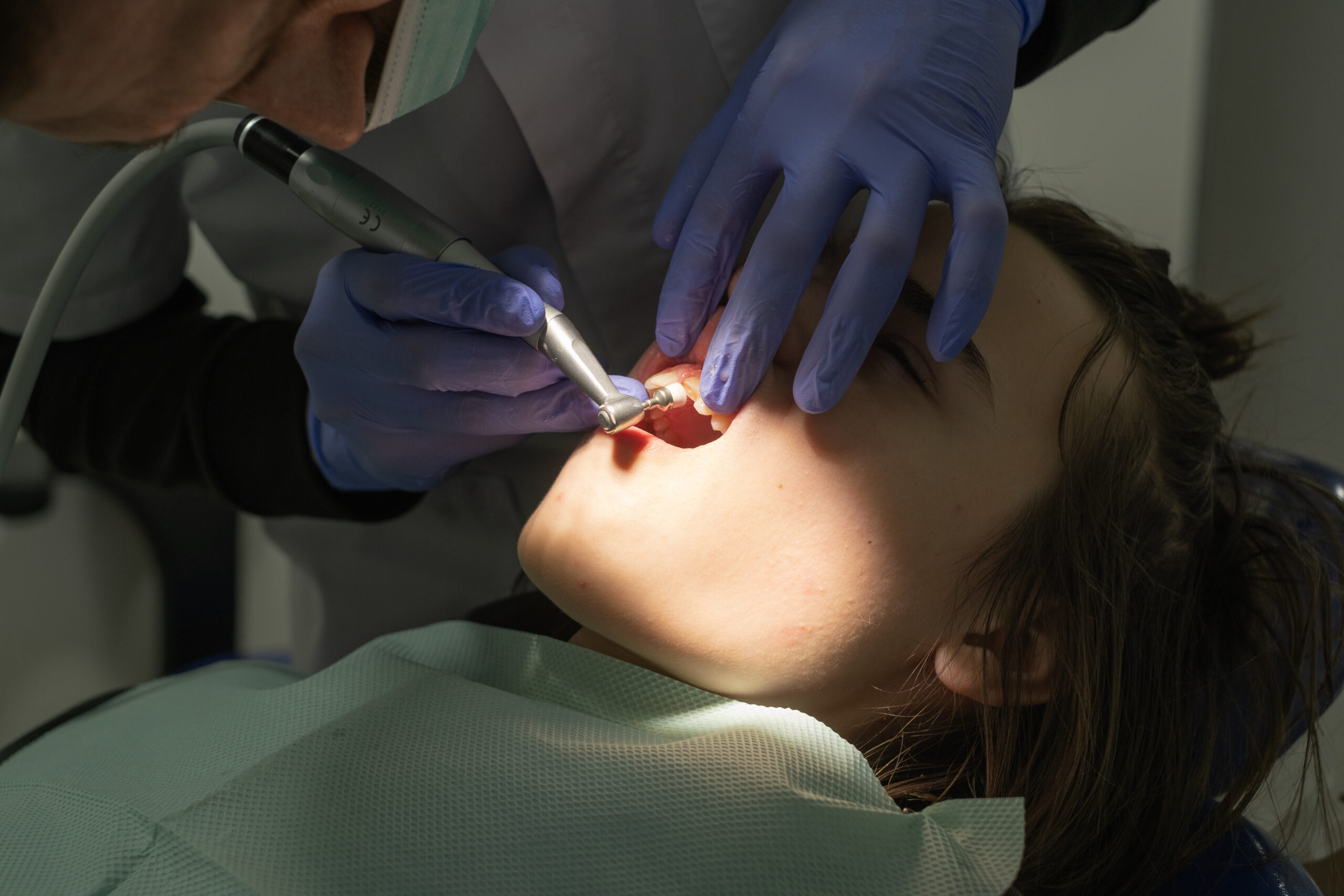
Dental emergencies can happen without warning, leaving you in pain and uncertain about what to do next. During an emergency dental visit, treatments typically focus on relieving immediate pain, preventing infection, and stabilizing the affected tooth or area. Common procedures include tooth extractions for severely damaged teeth, root canal therapy for infected teeth, repair of broken or knocked-out teeth, treatment of abscesses, and temporary restorations to protect exposed areas. Understanding what happens during these urgent visits helps you feel more prepared when dental emergencies strike.
Understanding Dental Emergencies
Not every dental issue requires immediate attention, but certain situations demand prompt care. Severe toothaches that don’t respond to over-the-counter pain relievers, especially when accompanied by swelling or fever, signal a potential infection requiring urgent treatment. A knocked-out tooth represents a true emergency where timing matters significantly—the sooner you receive care, the better the chances of saving the tooth. Broken or cracked teeth with sharp edges that cut your mouth or expose the inner pulp need immediate attention to prevent further damage and infection. Uncontrolled bleeding from the mouth following an injury, loose teeth from trauma, abscesses with visible swelling and pus, and lost fillings or crowns that cause significant pain all qualify as dental emergencies. When you search for an “emergency dentist near me,” you’re looking for a provider who can address these urgent situations promptly.
Pain Management and Assessment
The first priority during any emergency dental visit is controlling your pain and assessing the situation. Your dentist in Canton will begin with a thorough examination to identify the source of your problem. This typically includes visual inspection, gentle probing of the affected area, and often diagnostic imaging such as X-rays to see what’s happening beneath the surface.
Local anesthesia is administered to numb the treatment area, providing immediate relief and allowing the dentist to work without causing additional discomfort. In cases of severe anxiety or complex procedures, sedation options may be discussed. The initial assessment determines whether treatment can be completed immediately or if you’ll need to return for follow-up care once the emergency is stabilized.
Treatment for Knocked-Out or Displaced Teeth
When a tooth gets knocked out completely, time becomes critical. If you arrive within 30 to 60 minutes with the tooth properly preserved, your dentist may attempt reimplantation. The tooth is gently cleaned, positioned back into its socket, and stabilized with a splint that bonds it to adjacent teeth. This splint typically remains in place for several weeks while the tooth hopefully reattaches to the surrounding bone and tissue.
Partially displaced teeth that have been pushed sideways, inward, or pulled outward require repositioning. Your dentist carefully moves the tooth back to its correct position and may splint it for stability during healing. Follow-up appointments monitor the tooth’s response to treatment, and root canal therapy may become necessary if the tooth’s nerve doesn’t survive the trauma.
Managing Broken and Fractured Teeth
Chips, cracks, and fractures vary in severity and require different approaches. Minor chips affecting only the enamel can often be smoothed and polished, or repaired with composite bonding material that matches your natural tooth color. This quick procedure restores the tooth’s appearance and prevents sharp edges from irritating your soft tissues. More significant fractures extending into the dentin layer or reaching the pulp require more involved treatment. When the inner pulp is exposed, bacteria can quickly cause infection and severe pain. Emergency root canal therapy removes the damaged pulp, cleans the tooth’s interior, and seals it to prevent further problems. A temporary filling protects the tooth until you can return for a permanent crown. Severe fractures splitting the tooth vertically or breaking it below the gum line often cannot be saved. In these cases, extraction becomes necessary to prevent infection and allow for future tooth replacement options.
Treating Dental Abscesses and Infections
Dental abscesses represent serious infections that won’t resolve on their own and can spread to other parts of your body if left untreated. These painful pockets of pus typically form at a tooth’s root or in the gums between teeth. During emergency treatment, your dentist’s primary goal is draining the abscess to relieve pressure and pain.
The area is numbed, and a small incision allows the pus to drain completely. The infected area is thoroughly cleaned and flushed with sterile solution. If the infection stems from a tooth’s interior, emergency root canal therapy removes the infected pulp and cleans the root canals. Antibiotics are prescribed to help your body fight any remaining infection, though they cannot cure an abscess without drainage and cleaning. For gum abscesses, deep cleaning between the teeth and below the gum line removes the bacteria causing the infection. Your dentist provides specific instructions for keeping the area clean during healing and schedules follow-up visits to ensure the infection has cleared completely.
Emergency Extractions
Sometimes a tooth is damaged beyond repair, or infection has progressed to the point where extraction becomes the safest option. Emergency extractions differ from planned procedures because they focus on removing the tooth quickly to resolve immediate pain or infection rather than extensive preparation for future restoration. After numbing the area thoroughly, your dentist uses specialized instruments to loosen the tooth and remove it from its socket. Simple extractions for fully erupted teeth typically take just minutes. More complex cases involving broken teeth or roots may require surgical extraction, where the dentist makes a small incision in the gum to access and remove tooth fragments.
Following extraction, gauze is placed over the socket to control bleeding and promote clot formation. You’ll receive detailed aftercare instructions covering pain management, eating restrictions, and signs of complications to watch for. Your dentist can discuss tooth replacement options like implants or bridges once you’ve healed.
Repairing Lost Fillings and Crowns
Lost fillings and crowns might not seem as urgent as other emergencies, but they expose sensitive tooth structure to temperature changes, bacteria, and potential damage. During your emergency visit, your dentist cleans the exposed area and places a temporary filling or crown to protect it until a permanent restoration can be fabricated.
These temporary solutions provide relief from sensitivity and prevent the situation from worsening. You’ll need to schedule a follow-up appointment within a few weeks to have the permanent restoration placed. Your dentist will advise you about eating carefully on the opposite side and avoiding sticky foods that might dislodge the temporary repair.
Addressing Soft Tissue Injuries
Dental emergencies aren’t limited to teeth—injuries to your lips, cheeks, tongue, and gums also require professional attention. Cuts and lacerations are cleaned thoroughly and assessed for depth. Minor injuries may heal on their own with proper care, while deeper cuts might need stitches to promote proper healing and minimize scarring.
Puncture wounds and tears to the soft tissues are carefully examined to ensure no foreign objects remain embedded. Your dentist checks for damage to underlying structures and provides guidance on keeping the area clean. Antiseptic rinses help prevent infection while the tissues heal.
What Happens After Emergency Treatment
Emergency dental visits focus on stabilizing your immediate problem, but comprehensive care often requires follow-up appointments. Your dentist will explain what additional treatment you’ll need and schedule appropriate visits. This might include permanent crowns after root canals, follow-up X-rays to monitor healing, or planning for tooth replacement following extractions.
You’ll receive detailed home care instructions covering pain management, dietary restrictions, and signs of complications requiring immediate attention. Don’t hesitate to call your dental office if you experience increasing pain, swelling, fever, or other concerning symptoms after your emergency visit.
Preventing Future Dental Emergencies
While not all emergencies can be avoided, many are preventable with proper precautions. Wear mouthguards during sports and recreational activities that pose risks to your teeth. Avoid chewing hard objects like ice, popcorn kernels, and hard candies that can crack teeth. Never use your teeth as tools to open packages or bottles.
Maintain regular dental checkups so problems can be caught and treated before they become emergencies. Good daily oral hygiene—brushing twice daily and flossing once—keeps your teeth and gums healthy and more resistant to damage and infection.
Get the Emergency Dental Care You Need
Experiencing a dental emergency? Don’t wait and let pain or damage worsen. Contact Canton Healthy Smiles immediately for prompt, professional emergency dental care. Our experienced team is equipped to handle urgent situations and provide the relief you need. Whether you’re dealing with severe pain, a broken tooth, or any other dental emergency, we’re here to help. Call now to schedule your emergency appointment and get back to feeling your best.