4903 S Beck Rd, Suite 1, Canton, MI 48188

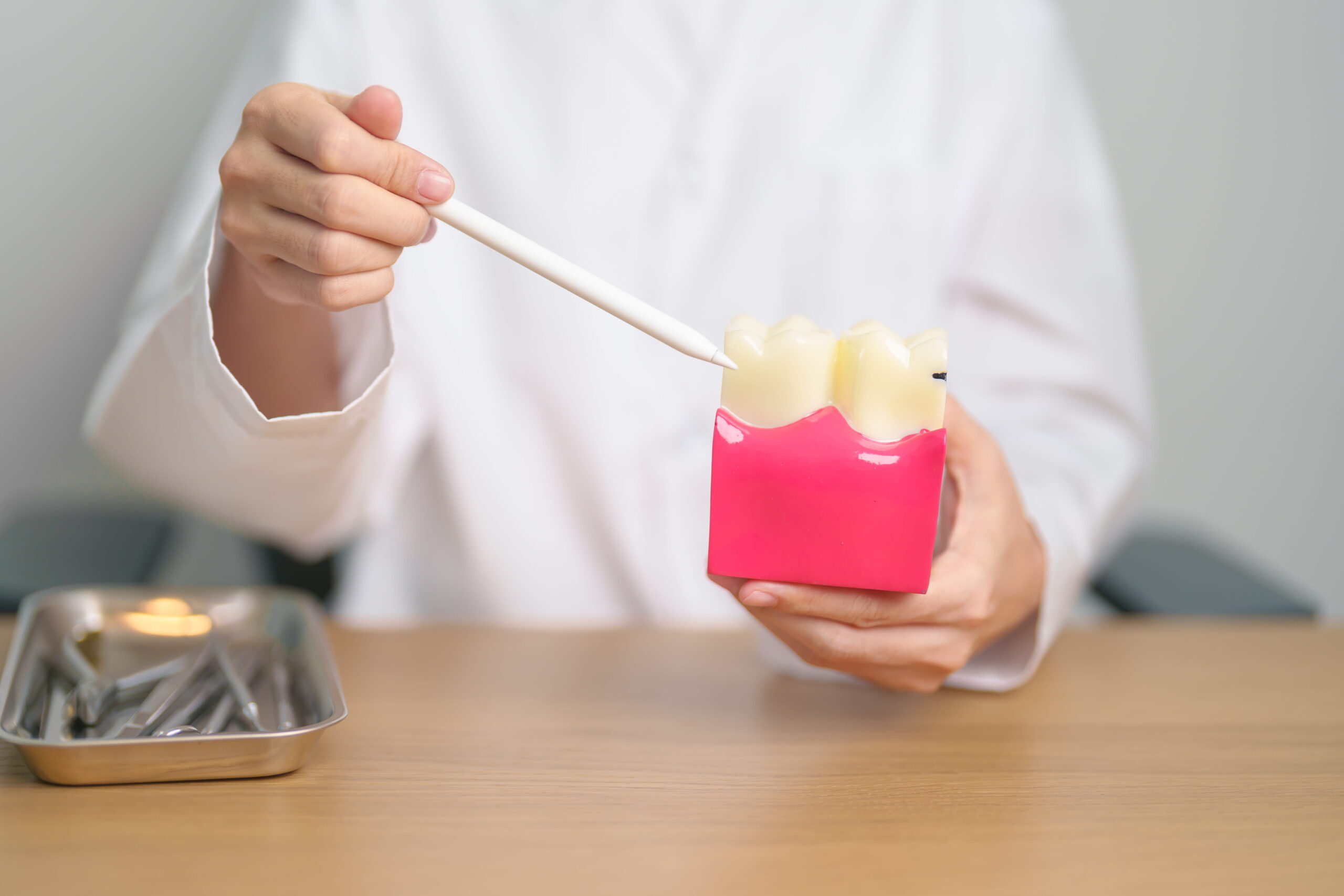
A crown after root canal is often recommended because the tooth may have lost substantial structure and needs a durable final restoration. Root canal treatment removes infected pulp and seals the canals, but it does not replace tooth structure lost to decay, cracks, or the access opening. If you are considering Root Canal Therapy in Canton, the final restoration should be planned as part of treatment.
Why does a tooth need a crown after root canal treatment?
A crown can protect a structurally compromised tooth from fracture and restore its chewing function after root canal treatment.
Root canal therapy removes infected or inflamed pulp, cleans the canals, fills them, and seals the tooth. It treats infection inside the tooth. It does not rebuild missing enamel or dentin.
The amount of remaining tooth structure matters. Extensive decay, a large restoration, a crack, or substantial loss around the access opening can reduce resistance to biting forces. A full-coverage crown can cover and support the remaining tooth structure.
Research shows that the final restoration affects the long-term survival of an endodontically treated tooth. A systematic review found higher 10-year survival for crowned root canal-treated teeth than for teeth restored with direct restorations, although treatment remains individualized.
Does every tooth need a crown after a root canal?
No. The need for a crown depends on the tooth’s location, remaining structure, functional demands, and the restoration that can adequately protect it.
Posterior teeth, such as molars and premolars, receive substantial chewing forces and often benefit from cuspal coverage. A front tooth may sometimes be restored without a full crown when sufficient tooth structure remains and the access opening is limited.
Your dentist considers:
- Remaining tooth structure
- Tooth location and chewing load
- Size of the access opening
- Existing decay or filling
- A crack or fracture
- Ability to obtain a secure seal
The goal is not to place a crown automatically. It is to provide adequate protection while preserving healthy tooth structure.
How does a root canal crown protect the tooth?
A properly fitted crown covers the visible portion of the treated tooth and helps distribute biting forces across the restored structure.
Root canal treatment may require removing tooth structure to access the pulp and canals. Previous decay or fracture may have removed more structure. If too much is missing, chewing can place significant stress on the remaining walls and cusps.
A crown restores the tooth’s external form and helps protect it from further damage. It also restores functional contact with the opposing tooth.
The American Association of Endodontists recommends returning to the general dentist after root canal treatment for a crown or another appropriate permanent restoration. If insufficient structure remains for retention, a post may be considered.
What happens if you delay the final restoration?
Delaying a permanent restoration can leave the treated tooth vulnerable to fracture, leakage, and new contamination.
A root canal-treated tooth is commonly closed with a temporary filling until the definitive restoration is completed. A temporary filling is not intended to provide the same long-term protection as a permanent crown or other definitive restoration.
Timing varies with the tooth, its condition, and the treatment plan. There is no single number of days for every patient. One retrospective study found an association between longer delays in crown placement and lower tooth survival in treated posterior teeth.
Until the permanent restoration is placed, follow your dentist’s instructions about chewing and protecting the treated tooth.
Is a post always needed before a crown?
No. A dental post is used only when additional retention is needed because insufficient tooth structure remains to support the planned restoration.
A post is placed inside the prepared root canal space and supports a core when remaining structure cannot adequately retain the restoration. It does not automatically make a root canal-treated tooth stronger.
The decision depends on remaining sound structure and how the final restoration can be retained. Unnecessary removal of root structure for a post can create additional structural risks.
What type of restoration can be used after a root canal?
The appropriate restoration may be a full-coverage crown or another bonded restoration, depending on the tooth and the amount of healthy structure that remains.
A full-coverage crown is common for a structurally compromised posterior tooth. In selected cases, a partial-coverage restoration or endocrown may be considered. The choice depends on remaining enamel and dentin, tooth position, functional demands, and the ability to achieve a reliable seal.
Canton Healthy Smiles provides same-day crown treatment using digital impressions and CAD/CAM technology. Whether this option is appropriate after your root canal depends on the tooth’s condition and the restorative plan.
How should you care for a tooth after its crown is placed?
Care for a root canal crown with regular brushing, daily cleaning between teeth, routine dental visits, and prompt evaluation of new pain or damage.
A crowned tooth can still develop decay at the crown margin, gum problems, or a fracture. Good oral hygiene and regular examinations help identify problems early.
Contact your dentist if you notice a loose or broken crown, new swelling, persistent pain, pain when biting, or a change in your bite. A loose, cracked, or broken restoration can allow new contamination and place a previously treated tooth at risk.
When should you schedule a crown after root canal treatment?
Schedule the permanent restoration promptly when your dentist recommends it because completing the restoration helps protect the treated tooth and restore normal function.
At Canton Healthy Smiles, evaluation after root canal therapy can determine whether your tooth needs a crown or another restoration based on its remaining structure and function. If you need root canal treatment in Canton, the practice’s service page explains the treatment process.
For treatment planning, contact Canton Healthy Smiles at its Canton, MI office or request an appointment. You can also review its Google Business Profile for location and patient information before visiting.
FAQ
Do you always need a crown after a root canal?
No, a crown is not required for every root canal-treated tooth because the appropriate restoration depends on the tooth’s location and remaining structure.
Why are crowns common after root canal treatment?
Crowns are commonly used because they can protect a structurally weakened tooth and restore its normal shape and function.
What happens if you do not get a crown after a root canal?
A tooth that needs full coverage may remain more vulnerable to fracture, leakage, or additional damage until it receives an appropriate permanent restoration.
Can a front tooth need a crown after a root canal?
Yes, a front tooth may need a crown when significant tooth structure has been lost, although some front teeth can be restored conservatively.