4903 S Beck Rd, Suite 1, Canton, MI 48188

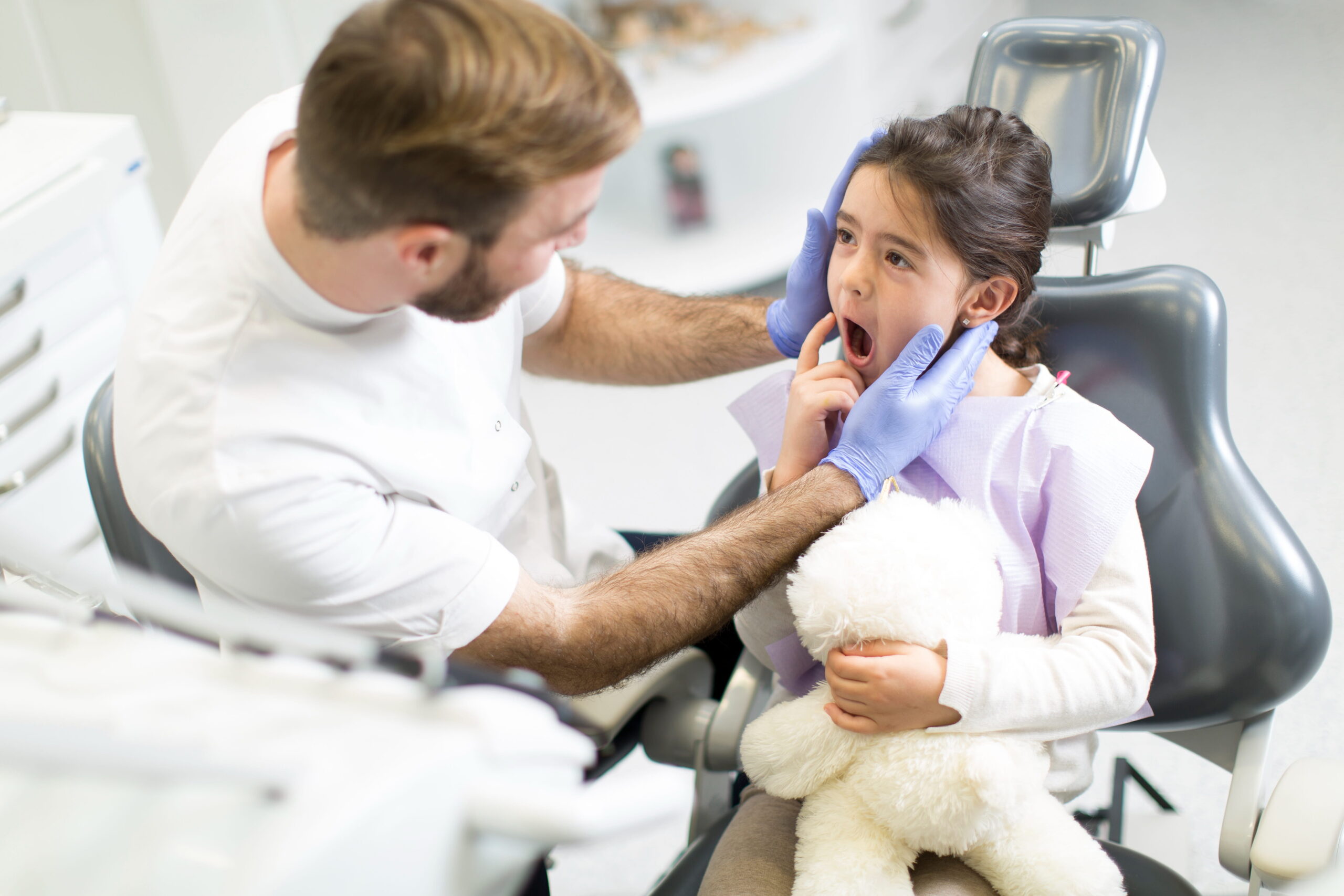
If your child has a dental emergency, give basic first aid and contact a dentist promptly. Canton Healthy Smiles provides emergency dentistry in Canton for urgent tooth pain, damage, swelling, bleeding, and dental injury. A child dental emergency Canton family should treat seriously can involve a knocked-out permanent tooth, a fracture, severe pain, or facial trauma.
What should you do first when your child has a dental emergency?
Check your child’s general condition first, protect the injured area, and arrange prompt dental evaluation.
Make sure your child is responsive and breathing normally. If there is loss of consciousness, confusion, repeated vomiting, trouble breathing, uncontrolled bleeding, or major facial trauma, seek emergency medical care. Otherwise, rinse the mouth gently with clean water. Use a cold compress outside the cheek if swelling is present. Keep your child from chewing on the injured area.
The American Academy of Pediatric Dentistry identifies pain, infection, facial swelling, uncontrolled bleeding, and orofacial trauma as dental emergencies.
When should a child see an emergency dentist?
A child should receive urgent dental evaluation for severe pain, significant swelling, uncontrolled bleeding, a displaced tooth, or a knocked-out permanent tooth.
Prompt assessment is appropriate after a significant blow to the mouth, even when the tooth looks intact. Trauma can affect the pulp, periodontal ligament, supporting bone, or developing permanent tooth. A dentist can determine whether monitoring, stabilization, or restoration is needed.
A pediatric emergency dentist or family dentist may also assess a child with a persistent toothache, abscess, or infection.
What should you do if your child has a knocked-out permanent tooth?
Hold the tooth by the crown, not the root, keep it moist, and obtain urgent dental care immediately.
If the tooth is dirty, gently rinse it with water without scrubbing the root. A permanent tooth may sometimes be carefully placed back into its socket when appropriate and safe. If that is not possible, place the tooth in milk or saline and go to a dentist promptly. AAPD guidance supports immediate attention for an avulsed permanent tooth.
A knocked-out baby tooth is different. Do not try to reinsert an avulsed primary tooth. AAPD guidance states that primary teeth should not be replanted because of the potential effect on the developing permanent tooth.
What should you do if your child chipped a tooth?
Save any broken tooth fragment, keep your child from biting on the injured tooth, and arrange dental evaluation.
A small enamel chip may cause little discomfort, but a larger fracture can expose dentin or pulp. Pain, sensitivity, bleeding, or visible deeper structure increases the need for prompt assessment.
Do not glue a fragment back onto the tooth. Keep the fragment clean and bring it to the appointment. Treatment may involve smoothing an edge, repairing the fracture, protecting exposed tissue, or monitoring the tooth.
How should you manage a loose or displaced tooth?
Do not wiggle, pull, or force a loose or displaced tooth back into position; have a dentist examine it promptly.
A traumatic impact can loosen a tooth, move it sideways, or push it deeper into the gum. This matters in children because a primary tooth injury can affect the developing permanent successor.
A dental examination can assess tooth position and supporting tissue. Treatment may include observation or stabilization. Follow-up may be needed because some trauma-related changes develop after the accident.
What signs mean a dental injury needs medical care instead of only dental care?
Breathing difficulty, serious head injury, uncontrolled bleeding, or major facial trauma requires emergency medical evaluation rather than dental care alone.
A dental office can manage many oral injuries, but some accidents involve broader medical risk. Seek emergency medical help for difficulty breathing, loss of consciousness, confusion, repeated vomiting, or suspected jaw or facial fracture.
For facial swelling that is rapidly increasing or affecting swallowing or breathing, medical evaluation is also urgent. These signs can indicate infection or trauma that needs immediate assessment.
What can parents do while waiting for dental care?
Keep the mouth clean, reduce swelling with a cold compress, protect the injured tooth, and follow age-appropriate pain-relief directions from a healthcare professional.
Use clean water for gentle rinsing. Apply a cold compress outside the face for swelling. Do not place aspirin directly on a tooth or gum. Avoid hard foods and chewing on the affected side.
Do not give medication that is inappropriate for the child’s age or medical history. Follow the product label or the child’s healthcare professional. AAPD parent guidance recommends acetaminophen for appropriate children rather than placing aspirin on the tooth or gum.
How can you find emergency dental care in Canton for a child?
Contact a dental office promptly and explain the child’s age, symptoms, tooth involved, and how the injury happened.
For families searching for a child dental emergency Canton provider, Canton Healthy Smiles offers emergency dental care for urgent concerns.
If you need an emergency dentist in Canton, call Canton Healthy Smiles or use the practice contact page. The office is located at 4903 S Beck Rd Suite 1, Canton Township, MI 48188.
How can parents reduce the risk of another dental emergency?
Use a properly fitted mouthguard for activities with meaningful dental injury risk and maintain regular dental care.
The ADA and AAPD support properly fitted mouthguards for sports with dental or orofacial injury risk. Canton Healthy Smiles provides custom athletic mouth guards. Regular dental visits can identify problems before they contribute to urgent care.
For a sports-related injury, parents can also review the practice’s guide to dental injuries in sports for additional first-aid guidance.
The response is simple: assess the child, protect the injury, recognize medical red flags, and obtain professional care promptly. For a knocked-out permanent tooth, speed matters. For a chipped or displaced tooth, prompt examination can guide the next step
FAQs
What should I do if my child knocks out a permanent tooth?
Hold the tooth by the crown, keep it moist, and seek urgent dental care immediately.
Should a knocked-out baby tooth be put back?
No, an avulsed primary tooth should not be replanted because it may damage the developing permanent tooth.
Is a chipped tooth a dental emergency for a child?
A small chip may not require emergency treatment, but significant fracture, pain, bleeding, or exposed inner tooth structure requires prompt evaluation.
When should a child go to the emergency room for a dental injury?
Go to emergency medical care for breathing difficulty, major facial trauma, uncontrolled bleeding, loss of consciousness, or other serious head or neck symptoms.
What should parents do for a loose child’s tooth after an injury?
Do not pull or reposition the tooth; arrange a prompt dental examination to assess its position and supporting tissue.