4903 S Beck Rd, Suite 1, Canton, MI 48188

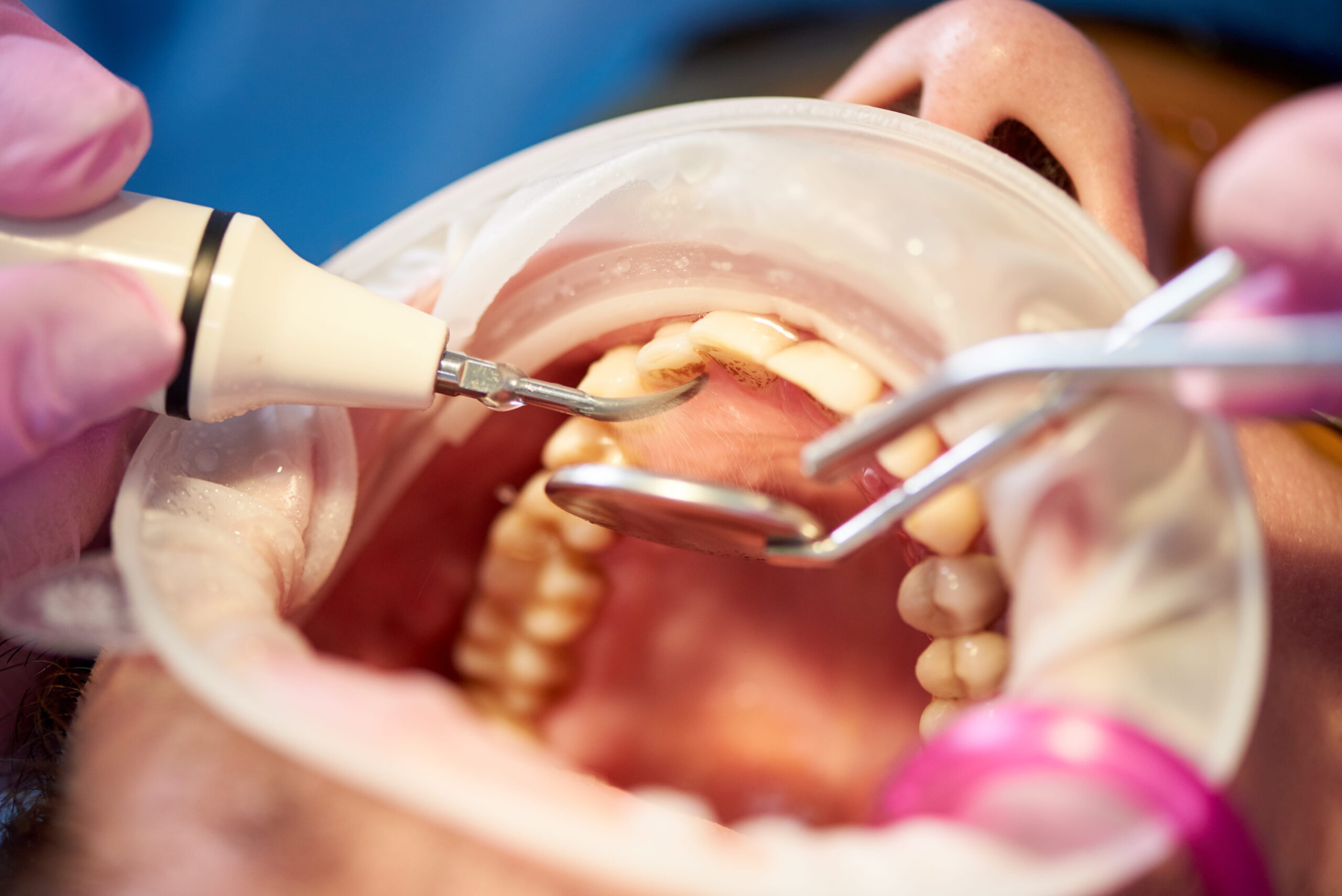
If you are preparing for wisdom teeth removal, one of the biggest concerns may be how to recover comfortably afterward. Dry socket after wisdom teeth removal can cause significant pain when the blood clot protecting the extraction site is lost or fails to heal properly. The good news is that careful aftercare can help protect the socket and support normal healing.
At Canton Healthy Smiles, wisdom teeth are evaluated based on their position, development, and potential effect on your oral health. The practice uses digital X-rays to evaluate wisdom teeth before recommending removal and provides aftercare instructions following extraction.
Whether you are planning wisdom teeth removal in Canton or have already had an extraction, understanding how to protect the healing area can help you know what to do—and what to avoid.
What Is Dry Socket After Wisdom Teeth Removal?
Dry socket, also called alveolar osteitis, occurs when the blood clot that normally forms in the tooth socket becomes displaced, dissolves too early, or does not form properly. That clot acts as a protective covering over the underlying bone and nerve endings while the extraction site heals.
Dry socket is particularly associated with extraction of third molars, commonly called wisdom teeth. It is not simply normal soreness after surgery. Typical post-extraction discomfort should gradually improve, while dry socket often causes new or worsening pain within the first few days after removal.
How to Avoid Dry Socket After Wisdom Teeth Removal
The most important goal after an extraction is to protect the blood clot. Follow the specific instructions provided by your dentist, because recovery recommendations can vary depending on the complexity of the extraction.
1. Avoid Straws and Strong Suction
Using a straw creates suction inside the mouth that may disturb the blood clot. For the same reason, avoid actions that create strong suction around the extraction site.
Instead, drink directly from a cup and take gentle sips.
2. Do Not Smoke or Use Tobacco
Smoking and other tobacco use can interfere with healing and increase the risk of dry socket. Tobacco chemicals may affect the healing process, while the act of inhaling can also contribute to clot displacement.
If you use tobacco, talk with your dental professional about how long you should avoid it before and after your procedure. The longer you can avoid tobacco during healing, the better.
3. Choose Soft Foods During Early Recovery
Your extraction site needs time to stabilize. Start with soft foods that require little chewing, such as yogurt, applesauce, mashed potatoes, or other foods recommended by your dentist.
Avoid chewing directly over the extraction site. Very hot foods and drinks should also be avoided while your mouth is numb so you do not accidentally burn or injure yourself.
Canton Healthy Smiles specifically recommends soft foods such as yogurt, mashed potatoes, and smoothies after wisdom teeth removal.
4. Do Not Rinse or Spit Forcefully Immediately After Surgery
The first day is especially important for protecting the clot. Vigorous rinsing or forceful spitting can disturb the extraction site.
Your dentist will tell you when and how to begin rinsing. After the initial period, gentle warm saltwater rinses may be recommended to help keep the mouth clean.
5. Keep Your Mouth Clean—Carefully
Good oral hygiene remains important after tooth extraction, but the surgical site needs special care.
Continue brushing your other teeth as instructed, while being gentle around the extraction area. Avoid directly disturbing the socket unless your dental professional tells you otherwise.
Once your dentist recommends rinsing, do it gently rather than aggressively swishing.
6. Rest and Avoid Strenuous Activity
Plan to take it easy immediately after wisdom teeth removal. Vigorous exercise and strenuous activity can interfere with recovery and may contribute to bleeding or disruption of the healing area.
Your dentist can tell you when it is appropriate to return to exercise, sports, work, and other normal activities.
7. Follow Your Dentist’s Aftercare Instructions
One of the simplest ways to reduce complications is to follow the instructions given specifically for your extraction.
After visiting Canton Healthy Smiles clinic, patients receive clear aftercare instructions following wisdom teeth removal. The practice notes that many patients can return to light activities within approximately 24 to 48 hours, although recovery can vary depending on the procedure and individual circumstances.
If you are considering extraction, understanding what to expect from wisdom teeth removal in Canton, MI can help you prepare for the procedure and recovery.
What Are the Signs of Dry Socket?
Knowing the warning signs can help you contact your dentist promptly.
Possible symptoms include:
- Severe or worsening pain a few days after extraction
- Pain that spreads toward the ear, temple, eye, or neck
- An unpleasant taste or bad breath
- A socket that appears empty
- Visible bone in the extraction area
- Increasing discomfort rather than gradual improvement
Dry socket pain commonly develops one to three days after tooth removal.
Some soreness, swelling, and tenderness are expected after an extraction. The concern is particularly when pain becomes more intense instead of gradually improving.
What Should You Do If You Think You Have Dry Socket?
Do not try to treat suspected dry socket by repeatedly touching, scraping, or manipulating the extraction site.
Contact your dentist or oral surgeon if you develop new or worsening pain after an extraction. A dental professional can examine the socket and determine whether dry socket or another complication is responsible. X-rays may sometimes be needed to rule out other causes of pain.
Treatment focuses primarily on controlling discomfort and supporting healing. Depending on the situation, a dental professional may clean the socket and place a medicated dressing.
If you experience severe swelling, fever, excessive bleeding, difficulty swallowing or breathing, or other concerning symptoms, seek prompt dental or medical attention.
Preparing for Wisdom Teeth Removal in Canton, MI
Good recovery begins before the extraction. During your consultation, tell your dentist about medications, supplements, tobacco use, and relevant health concerns so your dental team can plan appropriately.
At Canton Healthy Smiles, wisdom teeth evaluations include a dental examination and digital X-rays to assess the position of the teeth. Wisdom teeth may be recommended for removal when they are trapped, crowded, painful, infected, or creating problems for nearby teeth.
For patients who need an extraction, the practice provides local anesthesia or sedation for comfort and explains the procedure and aftercare beforehand.
The Bottom Line: Protect the Clot and Follow Your Aftercare Plan
The best way to reduce the risk of dry socket after wisdom teeth removal is to protect the blood clot while the extraction site begins to heal. Avoid straws and tobacco, choose soft foods, maintain careful oral hygiene, avoid disturbing the socket, and follow your dentist’s instructions closely.
If pain becomes worse rather than better during recovery, do not assume it is normal. Contact your dental provider so the extraction site can be evaluated.
For patients in Canton, MI, Canton Healthy Smiles provides wisdom teeth evaluations and removal with digital imaging, personalized treatment planning, and post-procedure guidance.