4903 S Beck Rd, Suite 1, Canton, MI 48188


If your smile has lost some of its shine, you’ve probably typed some version of “best way to whiten my teeth” into a search bar more than once. The real question most patients in Canton are asking isn’t whether to whiten — it’s in-office vs. at-home teeth whitening, and which one actually delivers results without wasting money or damaging enamel. At Canton Healthy Smiles, we walk patients through both teeth whitening treatments every week, and the right answer usually comes down to your timeline, your budget, and how dramatic a change you’re hoping to see.
Quick Answer: In-office teeth whitening uses a stronger, dentist-applied bleaching gel that brightens teeth several shades in a single one-hour visit. At-home whitening relies on custom-fitted trays and a lower-concentration gel worn over one to two weeks. In-office whitening delivers faster, more dramatic results; at-home whitening offers gradual brightening at a lower upfront cost.
Why the Whitening Method You Choose Actually Matters
Not all whitening is created equal, and the method you choose affects everything from how long results last to how sensitive your teeth feel afterward. Coffee, tea, red wine, tobacco use, and simply getting older all contribute to surface stains and deeper enamel discoloration. Over-the-counter strips and toothpaste can chip away at surface stains, but they typically can’t touch the deeper discoloration that professional bleaching agents — hydrogen peroxide or carbamide peroxide — are designed to break down. That’s the core difference between a drugstore product and a professional treatment plan built around your specific enamel condition.
In-Office Teeth Whitening: Fast, Supervised, Dramatic
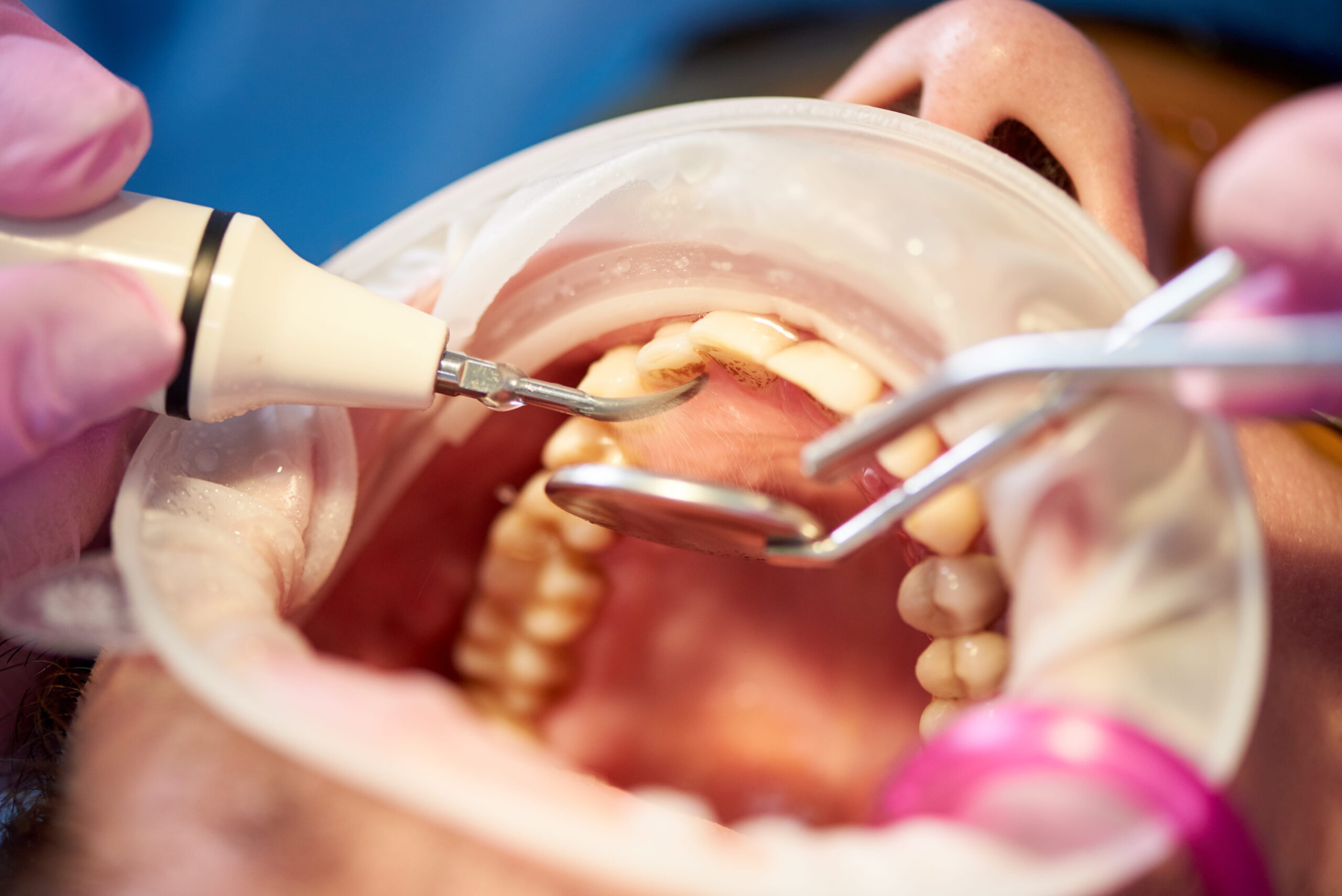
In-office whitening is built for patients who want visible results without waiting weeks. During a typical appointment, your gums are protected, a high-concentration whitening gel is applied directly to your teeth, and in many cases a special light helps activate the gel and speed up the whitening reaction. Most patients leave in about an hour with a smile that’s noticeably brighter than when they walked in.
The biggest advantages of in-office whitening are speed and control. Because the treatment happens under professional supervision, your dentist can adjust gel strength, monitor for sensitivity, and address any underlying issues — like cavities or gum inflammation — before whitening begins. This matters more than people expect: whitening over an untreated cavity or exposed root surface can cause real discomfort, which is why a dental evaluation always comes first.
At-Home Whitening: Gradual, Convenient, Budget-Friendly
At-home whitening kits prescribed by a dentist are a different animal entirely from what you’ll find at a pharmacy. Rather than one-size-fits-all trays, your dentist takes an impression of your teeth to create custom trays that fit snugly along the gumline, which helps the whitening gel stay where it belongs instead of irritating soft tissue. Patients typically wear these trays daily or overnight for one to two weeks, depending on how much discoloration needs to be corrected.
The appeal here is flexibility. You whiten on your own schedule, at a lower cost than in-office treatment, and you can pace the process to your comfort level if you’re prone to tooth sensitivity. The tradeoff is patience — results build gradually rather than appearing after a single visit.
Comparing the Two Side by Side
| Factor | In-Office Whitening | At-Home Whitening |
|---|---|---|
| Time to results | One appointment (~1 hour) | 1–2 weeks |
| Supervision | Direct, in-chair | Dentist-prescribed, self-administered |
| Gel strength | Higher concentration | Lower concentration |
| Best for | Events, dramatic change | Budget, gradual brightening |
What About Sensitivity and Safety?
Tooth sensitivity is the most common side effect of any whitening method, and it’s usually temporary. Professional supervision — whether in-office or through dentist-prescribed take-home trays — significantly lowers the risk compared to over-the-counter products, since your dentist can calibrate gel concentration and wear time to your enamel’s tolerance. Research published by the American Dental Association notes that professionally supervised whitening carries a lower risk of gum irritation and enamel damage than unsupervised bleaching, which is one more reason a consultation matters before you commit to either path.
Which Option Is Right for You?
If you have a wedding, interview, or reunion coming up and want maximum brightness fast, in-office whitening is the clear choice. If you’re whitening for everyday confidence and don’t mind waiting a couple of weeks, custom at-home trays deliver comparable long-term results at a gentler pace and lower cost. Many patients actually combine both: an in-office session for an immediate boost, followed by occasional at-home touch-ups to maintain that brightness between visits.
Whichever route you choose, a professional consultation is the step that protects your investment. Whitening over old fillings, crowns, or veneers won’t change their color the way it changes natural enamel, which can leave restorations looking mismatched — something worth flagging before treatment begins, especially if you’re also considering cosmetic veneers down the road.
Maintaining Your Results
Whitening isn’t permanent, regardless of which method you choose. Touch-ups every year or two are normal, and more frequent touch-ups may be needed if you’re a regular coffee, tea, or wine drinker, or if you use tobacco. Simple habits extend your results: rinsing after staining foods or drinks, using a whitening toothpaste between treatments, and keeping up with routine cleanings so surface stains don’t have a chance to build up.
For patients throughout Canton and nearby communities like Plymouth, Westland, and Northville, professional whitening remains one of the most affordable cosmetic upgrades available — a single visit or a two-week at-home routine can meaningfully change how you feel about your smile in photos, meetings, and everyday conversations.
Ready to Brighten Your Smile?
Whether you’re leaning toward a quick in-chair transformation or a custom take-home kit you can use on your own schedule, the team at Canton Healthy Smiles can help you decide with a straightforward consultation. Dr. Birchmeier and our team will evaluate your enamel, discuss your goals, and recommend the option that fits your timeline and budget — no guesswork required.
FAQs
Is in-office whitening better than at-home whitening? Neither is universally “better” — in-office whitening delivers faster, more dramatic results in a single visit, while at-home whitening offers gradual, budget-friendly brightening using custom dentist-fitted trays. The right choice depends on your timeline and goals.
How long do professional whitening results last? Results typically last one to two years, though this varies based on diet, tobacco use, and oral hygiene habits. Touch-up treatments help maintain brightness over time.
Does teeth whitening damage enamel? Professionally supervised whitening, whether in-office or at-home, is considered safe for enamel when performed under a dentist’s guidance. Overuse of unsupervised whitening products carries a higher risk of sensitivity and enamel wear.
Can I whiten my teeth if I have crowns or veneers? Whitening gel only affects natural tooth enamel, not restorations like crowns, veneers, or bonding. Your dentist can advise whether whitening first — followed by matching new restorations — makes sense for your smile.
How much whiter can my teeth get with in-office treatment? Many patients see their teeth brighten several shades after a single in-office session, though individual results depend on the type and severity of staining.
Is at-home whitening safe without a dentist’s supervision? Store-bought kits can help with mild surface stains, but they lack the custom fit and clinical oversight of dentist-prescribed trays, which increases the risk of gum irritation or uneven results.