4903 S Beck Rd, Suite 1, Canton, MI 48188

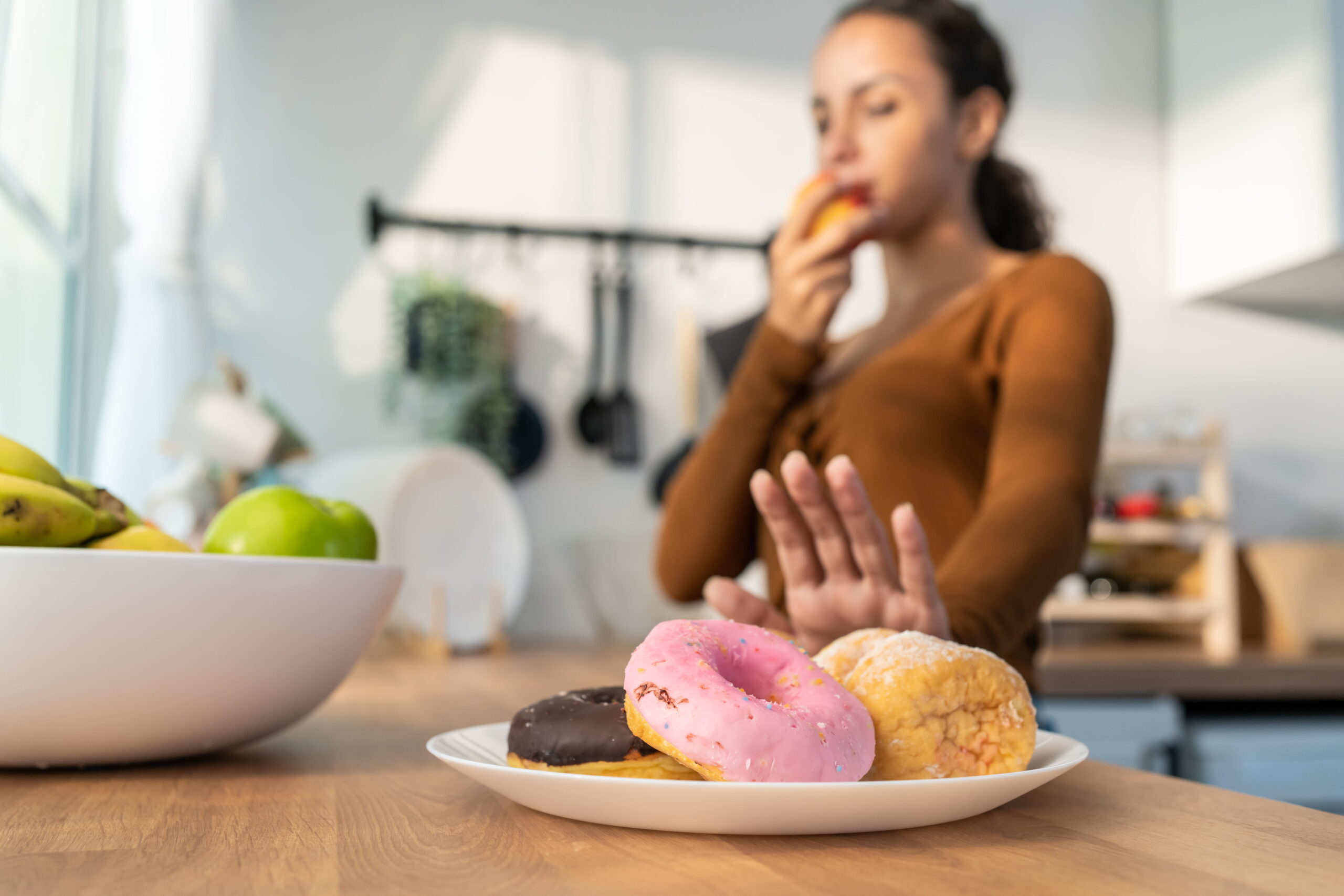
You just walked out of your appointment with a noticeably brighter smile, and now you’re staring at your dinner plate wondering if that glass of red wine is going to undo all your progress. It’s a fair worry. Teeth whitening opens up the pores of your enamel temporarily, making your teeth more porous and far more likely to absorb stains than usual. Many patients who invest in professional cosmetic dentistry in Canton want to protect that investment, and knowing what to avoid after teeth whitening is the easiest way to do it. The good news is that with a little planning around meals and drinks for the first 24 to 48 hours, you can lock in your results and enjoy your whiter smile for months to come.
Quick Answer: What Should You Avoid After Whitening?
For the first 48 hours after teeth whitening, avoid dark-colored foods and drinks such as coffee, red wine, tea, dark sodas, berries, tomato sauce, soy sauce, and curry. Also skip acidic items like citrus fruits and vinegar-based dressings, since acid softens enamel and makes it easier for stains to set in.
Why Your Teeth Are More Vulnerable Right After Whitening
Whitening treatments use peroxide-based gels to break apart stain molecules trapped in your enamel. During this process, the microscopic pores in your enamel open up and stay slightly more permeable for a short window afterward. Think of your enamel like a sponge that’s just been rinsed clean; it’s ready to soak up whatever touches it next. That’s why dentists often refer to this period as the “white diet” window, and it’s the single most important stretch of time for protecting your whitening results.
Dental researchers have long noted that enamel remains more susceptible to staining and demineralization for roughly 24 to 48 hours following a whitening procedure, which is why timing matters just as much as the products you choose.
Foods to Avoid
- Berries – blueberries, blackberries, and strawberries all contain deeply pigmented compounds that cling to enamel.
- Tomato-based sauces – pasta sauce, ketchup, and pizza sauce are acidic and richly colored, a difficult combination for freshly whitened teeth.
- Soy sauce and curry – both are intensely pigmented and can stain within a single meal.
- Balsamic vinegar and dark dressings – the acidity accelerates staining potential.
- Chocolate – especially dark chocolate, which carries strong tannins similar to those in coffee.
- Beets – their natural dye is notorious for discoloring anything it touches, including enamel.
Drinks to Avoid
- Coffee and espresso – among the most common culprits behind everyday tooth discoloration.
- Red and white wine – red wine stains directly, while white wine’s acidity can make teeth more receptive to future staining.
- Black and green tea – tannins in tea are just as staining as coffee, sometimes more so.
- Dark sodas and colas – the combination of dark coloring and carbonic acid is particularly harsh on fresh whitening results.
- Sports drinks and fruit juices – many are acidic and artificially colored.
What You Can Eat and Drink Instead
Sticking to a “white diet” doesn’t mean bland or boring meals. Good options include:
- Chicken, turkey, or fish
- Plain rice, pasta, or potatoes
- Bananas, pears, and apples (avoid the skin if it’s darker)
- Egg whites
- Plain yogurt or milk
- Water (still the best choice for your overall oral health)
- White cheese and cauliflower
If you do enjoy a cup of coffee or a glass of wine sooner than recommended, using a straw for drinks can help minimize direct contact with your front teeth, and rinsing with water immediately afterward reduces the chance of staining setting in.
Other Habits That Can Affect Your Whitening Results
Beyond food and drink, a few other habits are worth adjusting temporarily. Smoking or using tobacco products is one of the fastest ways to reintroduce yellow and brown staining, so it’s best avoided for at least the first two days. Skipping heavily pigmented mouthwashes and opting for a whitening-safe toothpaste can also help maintain your results. Many patients visiting our Canton office ask about long-term maintenance, and the honest answer is that consistent oral hygiene combined with mindful eating habits makes the biggest difference between whitening that lasts a few months and results that hold up for a year or longer.
Regular dental cleanings also play a supporting role. Plaque and surface buildup can dull your enamel’s brightness over time, so keeping up with routine visits helps preserve the effects of any teeth whitening treatment you’ve had done, whether it was performed in-office or through a take-home kit.
How Long Should You Follow These Restrictions?
Most dentists recommend following the white diet strictly for 48 hours, then gradually reintroducing staining foods and drinks in moderation. Some patients choose to extend mindful habits, like rinsing after coffee or using a straw for wine, well beyond that initial window simply because it helps their results last longer between touch-up treatments.
Frequently Asked Questions
Can I drink coffee the day after whitening my teeth? It’s best to wait at least 48 hours before drinking coffee. If you can’t wait, use a straw and rinse with water immediately afterward to reduce staining.
Is it okay to eat chocolate after teeth whitening?
Dark chocolate should be avoided for the first 48 hours due to its tannin content. White chocolate is a safer alternative during this period.
How long does enamel stay porous after whitening?
Enamel is generally most porous and susceptible to staining for the first 24 to 48 hours after treatment, though sensitivity can vary by individual and whitening method.
Can smoking undo my whitening results?
Yes, tobacco use is one of the fastest ways to reintroduce staining. Avoiding cigarettes and other tobacco products for at least 48 hours is strongly recommended.
What can I drink safely right after whitening?
Water is always the safest choice. Milk and clear, non-acidic beverages are also generally fine during the sensitive window.
Do I need to follow the white diet after every whitening session?
Yes, the same precautions apply each time you whiten, whether it’s an in-office treatment or a touch-up with take-home trays.
Ready for a Brighter, Longer-Lasting Smile?
Protecting your whitening results starts with the right habits, but it also starts with the right dental team. If you’re in Canton and ready to explore professional whitening or other smile-enhancing treatments, our cosmetic dentistry services are designed to deliver results that last. Schedule your consultation today and let’s build a whitening plan that fits your lifestyle and keeps your smile looking its best.