4903 S Beck Rd, Suite 1, Canton, MI 48188


For more than 10 years, Dr. Jonathan M. Birchmeier has helped patients rebuild healthy smiles with trusted dental care. He earned both his biology degree and dental degree from the University of Michigan and completed his residency at the University of Toledo Medical Center.
Dr. Birchmeier continues advanced training through Implant Pathway Seminars, Spear Education, and the American Academy of Facial Esthetics. He also supports local veterans through the Veterans Affairs Healthcare System.
If you have questions about dental implants, tooth pain, or healing after treatment, call Canton Healthy Smiles to speak with our team.
What Most Patients Want to Know
- Most patients say dental implant recovery is less painful than expected.
- Mild swelling and soreness are common for a few days.
- Following aftercare steps helps healing go smoothly.
- An emergency dentist should be contacted if pain suddenly gets worse or swelling increases after several days.
Are Dental Implants During Recovery?
Dental implants can cause some soreness during healing, but most people describe the pain as mild to moderate. The area is numb during the procedure, so patients do not feel pain while the implant is being placed.
After the numbness wears off, you may notice:
- Mild swelling
- Tender gums
- Jaw soreness
- Minor bleeding
- Trouble chewing hard foods for a few days
Most discomfort improves within 3 to 7 days. Many patients return to work the next day.
At Canton Healthy Smiles, patients often compare dental implant recovery to having a tooth removed. Careful planning and modern tools help make the process more comfortable.
What Does Healing Feel Like Day by Day?
First 24 Hours
You may feel pressure, soreness, and mild bleeding. Ice packs and rest usually help. Your dentist may suggest pain medicine if needed.
Days 2 to 3
Swelling often peaks during this time. Soft foods like soup, yogurt, eggs, and mashed potatoes are easier to eat.
Days 4 to 7
Most people notice steady improvement. Gum tenderness becomes lighter, and daily routines feel easier.
Weeks After Treatment
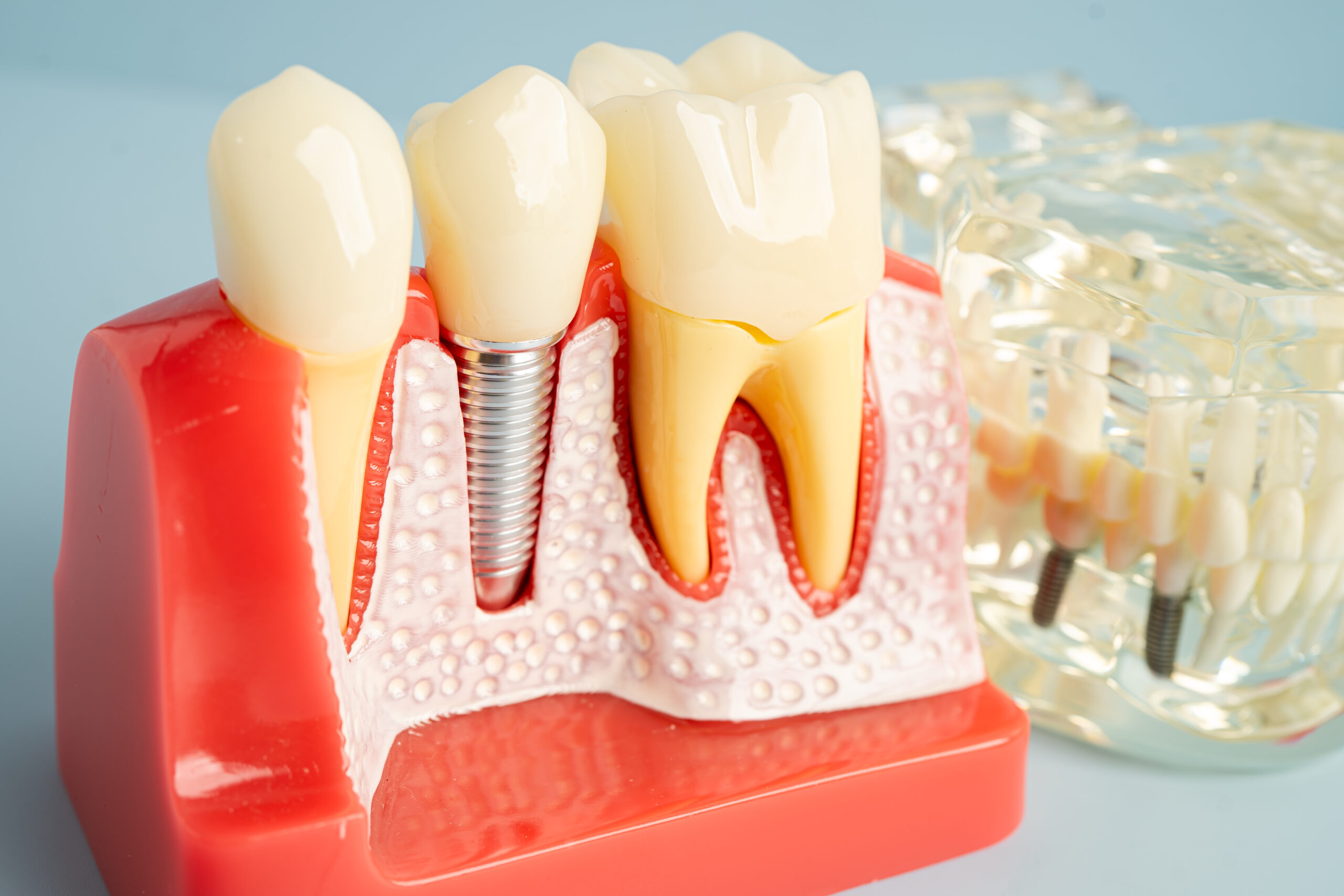
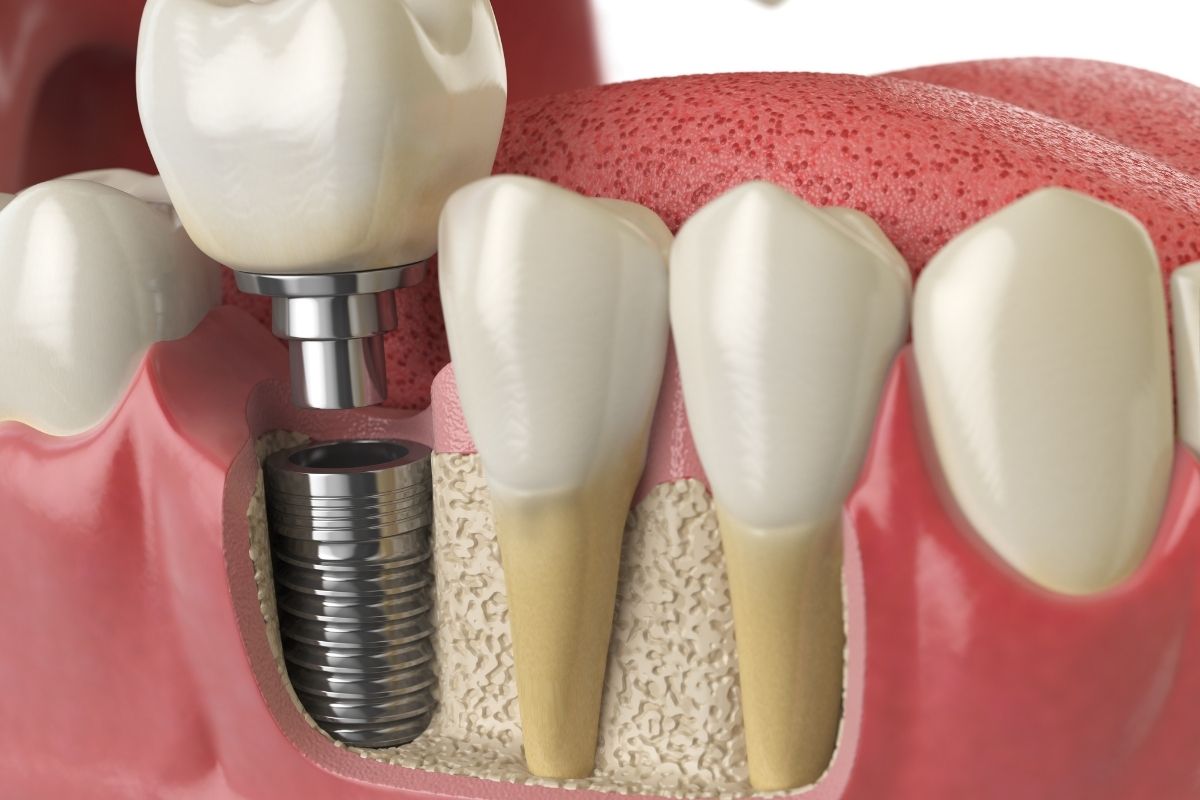
The implant slowly joins with the jawbone through a process called osseointegration. This part usually does not hurt, though the area may feel slightly sensitive at times.
If the pain gets worse instead of better, contact an emergency dentist right away
What Can Make Dental Implant Recovery More Painful?
Several factors can affect healing after dental implants:
| Factors | Effect on Recovery |
|---|---|
| Smoking | Slows healing |
| Poor oral hygiene | Raises infection risk |
| Teeth grinding | Adds pressure to the implant |
| Bone grafting | May increase soreness |
| Health conditions | Can delay healing |
Patients who carefully follow instructions from their dentist usually heal faster and with less discomfort.
Tips to Reduce Pain After Dental Implants
Healing often goes smoother when patients follow simple care steps.
Use Ice Packs
Ice helps lower swelling during the first 24 hours.
Eat Soft Foods
Choose foods that are easy to chew while the area heals.
Keep the Area Clean
Gentle brushing and saltwater rinses help protect the gums.
Avoid Smoking
Smoking slows blood flow and can affect implant success.
Rest
Your body heals better when you avoid hard activity for a day or two.
If severe pain develops suddenly, an emergency dentist should check the area as soon as possible.
When Should You Call an Emergency Dentist?
Some discomfort is normal after dental implants. Still, certain signs should not be ignored.
Call an emergency dentist if you notice:
- Heavy bleeding
- Fever
- Pus near the implant
- Swelling that worsens after several days
- Severe throbbing pain
- A loose implant
Quick care can prevent bigger problems and protect healing.
At Canton Healthy Smiles, patients in Canton and nearby communities can contact our dental team if they have concerns during recovery.
Local Information for Patients Visiting Canton Healthy Smiles
Canton Healthy Smiles is located at:
4903 S Beck Rd Suite 1, Canton Township, MI 48188
The office is close to several well-known spots in the area, making visits easier for patients and family members.
Nearby places include:
- Heritage Park
- Summit on the Park
- IKEA Canton
Family members waiting during longer dental implant visits may enjoy nearby cafés such as:
- Biggby Coffee
- Panera Bread
- Tim Hortons
Patients from nearby areas like Plymouth, Westland, and Belleville often choose Canton Healthy Smiles for dental implant care and follow-up visits.
How Long Does a Full Recovery Take?
Most soreness fades within a week. Full healing inside the jawbone can take several months. During this time, the implant becomes stable and strong enough to support the final crown.
Dental implants are designed to feel natural once healing is complete. Many patients say they can comfortably eat, smile, and speak again without worry.
Regular checkups help your dentist track healing and spot any concerns early. If pain appears later in recovery, an emergency dentist may need to evaluate the implant.
Final Thoughts
Dental implants are one of the most reliable ways to replace missing teeth. While some soreness is normal during healing, most patients find the recovery easier than expected. Good home care, healthy habits, and follow-up visits all play a big role in comfort and long-term success.
If you are thinking about dental implants or have concerns about recovery pain, schedule a consultation with Canton Healthy Smiles. Our team will explain every step clearly and help you feel prepared before treatment. If you notice unusual swelling, severe discomfort, or signs of infection, contact our dental office for guidance from an experienced emergency dentist.l
FAQs on Dental Implants
How long does soreness usually last after implant surgery?
Most soreness improves within a few days. Mild tenderness may continue for about a week.
Can I go back to work after the procedure?
Most people return to work within one or two days, depending on the type of treatment completed.
Is swelling normal after treatment?
Yes. Mild swelling is common during the first few days and often improves with ice packs and rest.
What foods are easiest to eat during healing?
Soft foods like yogurt, soup, eggs, smoothies, and mashed potatoes are usually easier to manage.
What should I avoid during recovery?
Avoid smoking, drinking through straws, and chewing hard foods near the healing area.
How do I know if healing is not going well?
Severe pain, fever, pus, or swelling that worsens after several days should be checked by a dental professional.